01
Online harms & AI risk
Grooming, sextortion, image-based abuse, and the newer risks young people meet first — deepfakes, synthetic imagery and voice cloning — taught in plain terms, as subject matter young people can actually use.

Alongside our client work, we run an independent social-impact strand: safety technology for women, girls and young people, and online-harms education for schools, youth services, councils and public bodies across the UK.
Harm now travels through phones as readily as it does through streets — and the response has to be built, not just written.
Young people are growing up inside systems that were not designed with their safety in mind: coercion, image-based abuse, grooming and extremist content, amplified by platforms built to hold attention. Women and girls carry the sharpest edge of it — technology-facilitated abuse is now part of nearly every pattern of coercive control.
Our response is practical. Software people actually use. Education that respects young people’s intelligence. Evidence gathered honestly rather than claimed. We build with young people and practitioners rather than simply for them, and we are honest about what the evidence does and does not yet show.
Four areas where technology can reduce harm rather than multiply it.
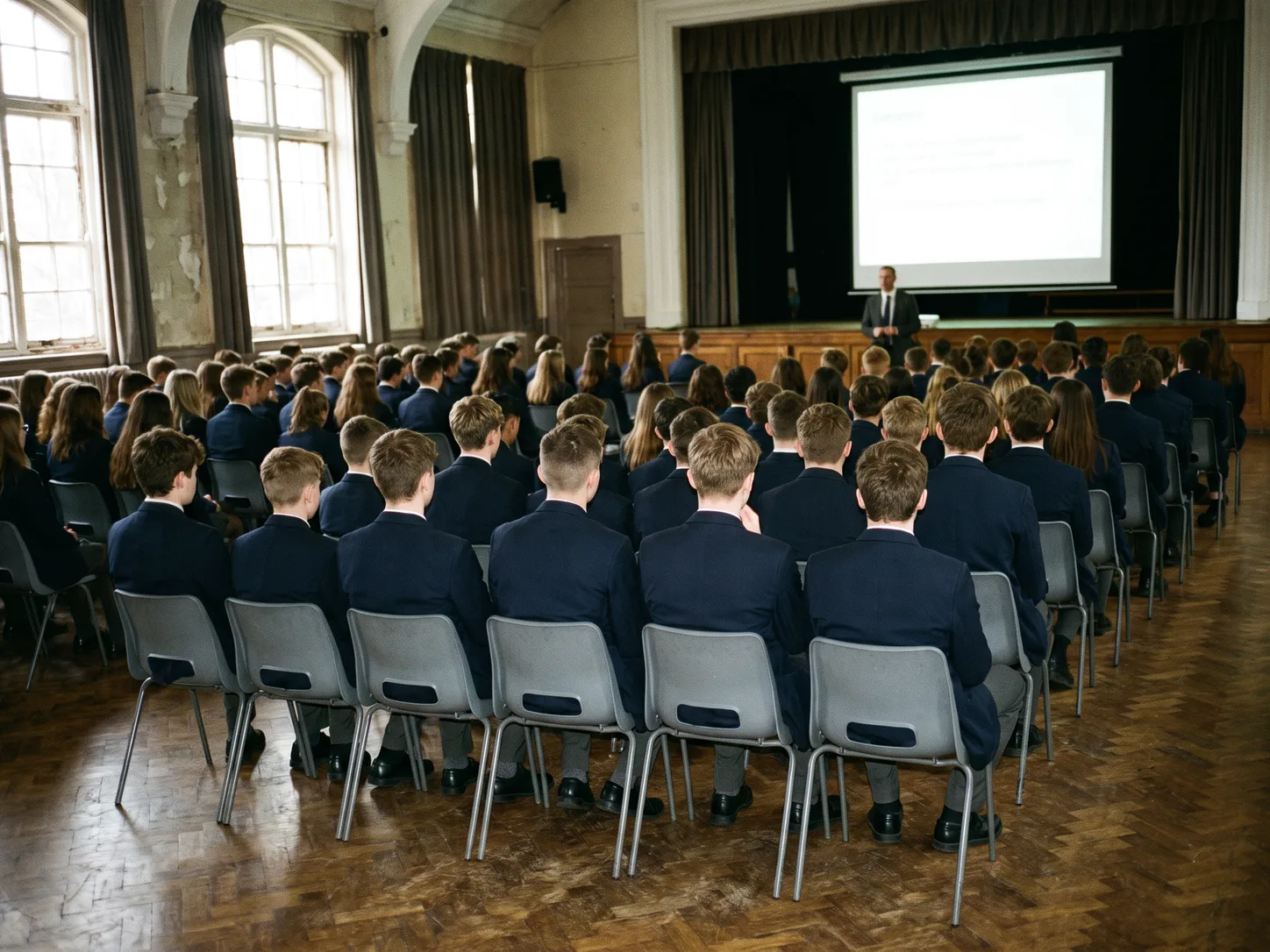
We deliver interactive, discussion-led workshops in schools, colleges, youth services and community settings — covering online harms and how they escalate, AI risks in plain terms, healthy relationships online, and what to do next: reporting, evidence and support routes, without shame.
We also run sessions for staff — teachers, youth workers, local authority, housing, health and transport teams — covering what young people are actually encountering and how to respond to disclosures. Every programme is written for the setting rather than delivered from a shelf.
We are developing safety technology for women, girls and young people, tested with the people it is designed for. We are deliberately quiet about the detail until it has been tested properly — what we can say is how it is built: privacy-first, minimal data collection, co-designed with young people and practitioners, and evaluated honestly.
Commissioners, schools and safeguarding leads who would like to be involved in testing are welcome to get in touch.

Most harm arrives quietly, on a small screen, late.
This strand is designed for the institutions that carry responsibility for young people and public safety: local authorities and councils, violence reduction units, police and crime bodies, transport authorities, combined and city-region authorities, schools and colleges, NHS trusts and integrated care boards, housing associations, charities and youth services — and employers who owe their staff a duty of care.
Whether you are commissioning prevention work, booking training for a school or youth service, or exploring a pilot, send a short email and a person from the team will reply.
Got a problem to solve? Tell us in a sentence — we reply within three working days.
Get a free quote